

Thinking about how to sell a home in Virginia City? This guide walks you through each step — from prepping a historic property to closing day — with Nevada-specific rules and local insight. Cassie Craig and Paul Dunham with Craig Team Realty help sellers in Virginia City every week, and the tips below reflect what actually works here.
Quick note on accuracy: Key items in this guide — like seller disclosures, HOA resale packets, lead-paint rules, the Comstock Historic District, and Nevada’s real property transfer tax — are based on current Nevada and federal sources. Look for the citations at the end of the relevant paragraphs.
Why Virginia City is a unique market
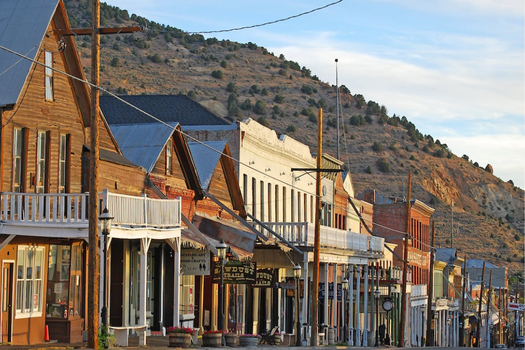
Virginia City’s charm is real: historic streets, panoramic high-desert views, and distinctive homes ranging from restored Victorians to cabins and custom builds. Many buyers come for character and small-town feel, often traveling in on weekends from nearby communities. Homes that highlight history while showing careful maintenance tend to earn strong attention. If your property sits inside the Comstock Historic District, certain exterior changes require a Certificate of Appropriateness (more on that below). :contentReference[oaicite:0]{index=0}Step 1: Prep your property the right way
Make it easy for buyers to imagine life here
- Declutter rooms and clear hallways so the floor plan reads well.
- Deep-clean kitchens, baths, windows, and flooring.
- Neutral paint and updated lighting go a long way in older homes.
- Service major systems (HVAC, well/septic if applicable) and save receipts.
If you’re in the Comstock Historic District
Exterior changes — new siding, windows, roofing style, additions, or demolition — typically require approval from the Comstock Historic District Commission (CHDC). Engage early so you don’t delay the sale. The CHDC issues Certificates of Appropriateness for work within the district. :contentReference[oaicite:1]{index=1}Step 2: Price with confidence
Virginia City has fewer comparable sales than large metro areas, so pricing takes care. Cassie and Paul study recent local sales, condition, lot size, view corridors, access, historic features, and renovation quality to set a price that attracts buyers while protecting your bottom line. In a smaller market, the first two weeks of exposure matter — that’s when the most serious buyers are watching.Step 3: Smart marketing that fits Virginia City
- Story-driven copy: Buyers want to know what’s original, what was restored, and how the home lives today.
- Pro photography & video: Capture architectural details, porches, views, and outbuildings.
- Weekend access: Expect out-of-area buyers; keep showing windows flexible Friday–Sunday.
- Open houses and private tours: for serious prospects.
Step 4: Showings, offers, and negotiations
Once showings begin, plan for buyers to ask about utilities, road maintenance, internet options, outbuilding permits, and any CHDC approvals. When offers arrive, you’ll review price, timing, contingencies, and buyer qualifications. With Craig Team Realty, you’ll also discuss what items you’re willing to repair and which you’ll sell “as is” after proper disclosures.
Step 5: Inspections and appraisal
Most buyers order a general home inspection. In Virginia City and surrounding Storey County, many properties also have features like wood stoves, wells, septic systems, or outbuildings — inspectors may recommend specialty checks for those. If an appraisal is required by the buyer’s lender, we’ll coordinate access and provide the appraiser with helpful updates and permits.Step 6: Nevada disclosures & key documents (what sellers must know)
Seller’s Real Property Disclosure (SRPD)
Nevada sellers complete the SRPD — not the agent — and deliver it to the buyer. The law calls for the seller to serve the completed form before conveyance; if you discover a new or worsening defect later, you must update the buyer. The Nevada Real Estate Division publishes the standard SRPD form used statewide. :contentReference[oaicite:2]{index=2}Common-interest communities (HOAs)
If your property is in an HOA, Nevada law requires the owner (at the owner’s expense) to provide a resale package to the buyer. This packet includes the governing documents and key financial information so the buyer can review dues, rules, and reserves. The association must provide the materials after a written request, within specific timeframes set by statute. :contentReference[oaicite:3]{index=3}Lead-based paint (homes built before 1978)
Federal law requires sellers of most pre-1978 homes to disclose known lead-based paint information, give buyers the EPA/HUD pamphlet, and allow a 10-day period (or a different period agreed in writing) for a lead inspection. Virginia City has many older homes, so we prepare this early to keep your timeline on track. :contentReference[oaicite:4]{index=4}Step 7: Nevada’s real property transfer tax (RPTT)
Nevada imposes a statewide base transfer tax of $1.95 per $500 of value (or fraction) on most property transfers; some counties add extra amounts to the base. Storey County follows the base rate schedule. Who pays is a point of negotiation between buyer and seller in the contract. We’ll calculate an accurate estimate for your situation using the county’s published table. :contentReference[oaicite:5]{index=5}Example: How the RPTT is calculated
If a home sells for $400,000 in Storey County, the base rate applies. Divide by $500 (800 “units”) and multiply by $1.95 per unit for an estimated tax of $1,560 (exact figures depend on final contract price and any exemptions). :contentReference[oaicite:6]{index=6}Step 8: Final paperwork and closing day
Before closing, you’ll sign the deed and settlement documents, handle agreed repairs or credits, and confirm any required approvals (for example, CHDC permits for recent exterior work inside the district). Utilities are typically switched as of the closing date. Once the deed records with the Storey County Recorder, funds are disbursed and the home is officially sold. :contentReference[oaicite:7]{index=7}Frequently asked questions from Virginia City sellers
Do I need historic approval to sell?
No — you don’t need approval to sell, but you do need approval for certain exterior changes within the Comstock Historic District. If you completed exterior work recently, be ready to show permits/approvals to buyers. :contentReference[oaicite:8]{index=8}How long does it take to sell a home in Virginia City?
Timelines vary by price point, condition, and season. Well-prepared, well-priced homes usually see strong activity early. We’ll review current comps, active competition, and showing patterns so you have a realistic timeline.What costs should I plan for as a seller?
- Any agreed repairs or concessions in the contract.
- Title/escrow services and recording fees.
- Real Property Transfer taxes (negotiated who pays; calculated per Nevada statute and county tables). :contentReference[oaicite:9]{index=9}
- HOA resale documents (if applicable, typically at seller’s expense under Nevada law). :contentReference[oaicite:10]{index=10}
How are agent fees handled?
Compensation and service terms are fully negotiable and are set in a written listing agreement between you and your brokerage. We’ll walk you through options clearly and transparently.A simple checklist to sell a home in Virginia City
- Walk-through with our team. Identify quick fixes and value-add updates.
- Confirm any historic approvals. If you’re inside the district and did exterior work, gather your Certificate of Appropriateness or consult CHDC before starting new work. :contentReference[oaicite:11]{index=11}
- Complete disclosures. Fill out the SRPD; prepare lead-paint disclosure if your home was built before 1978; request the HOA resale package if applicable. :contentReference[oaicite:12]{index=12}
- Price with data. Review recent sales and active competition in Virginia City and nearby areas.
- Launch marketing. Professional photos, compelling description, and flexible showings for out-of-area buyers.
- Negotiate and manage risk. Evaluate terms, timelines, and contingencies with your agents.
- Close smoothly. Verify RPTT math, final approvals, and recording with the county. :contentReference[oaicite:13]{index=13}
Local insight that helps your sale
- Seasonality: Spring through early fall often brings more drive-in buyers; winter sales still happen but plan around weather for faster offers.
- Access and parking: If your street has unique access or winter maintenance quirks, note that in your disclosures and marketing so buyers feel prepared.
- Outbuildings and views: Document permits and property lines for sheds, garages, or view easements to avoid surprises later.
What Craig Team Realty does for Virginia City sellers
- Pinpoint pricing strategy tailored to your home’s condition and location.
- Listing copy and visuals that honor your home’s history and highlight livability today.
- Hands-on coordination for inspections, appraisals, and approvals.
- Clear explanations of forms and fees — including SRPD, HOA packets, lead rules, and transfer tax math — so you can sign with confidence. :contentReference[oaicite:14]{index=14}
Wrapping up: You can sell with clarity and confidence
Selling in a historic Nevada town takes a steady plan, clean disclosures, and strong presentation. With Cassie Craig and Paul Dunham at Craig Team Realty, you get local expertise, careful pricing, and a friendly, professional process from start to finish.Ready to talk about your Virginia City sale? Contact Cassie Craig and Paul Dunham with Craig Team Realty at (775) 306-7591.
Disclaimer: This article is for general information only and isn’t legal, tax, or financial advice. For guidance on your situation, consult qualified professionals and review current Nevada statutes and county resources.
Sources
- Nevada Seller’s Real Property Disclosure — NRS 113.130 and state SRPD form. :contentReference[oaicite:15]{index=15}
- Common-interest (HOA) resale package — NRS 116.4109 and Nevada Real Estate Division materials. :contentReference[oaicite:16]{index=16}
- Lead-based Paint Disclosure Rule — 42 U.S.C. §4852d and EPA guidance (applies to most pre-1978 housing). :contentReference[oaicite:17]{index=17}
- Real Property Transfer Tax (RPTT) — State base rate and Storey County table. :contentReference[oaicite:18]{index=18}
- Comstock Historic District Commission — approval requirements and district overview. :contentReference[oaicite:19]{index=19}
Check out this article next
