How Much Is My Home Worth? Understanding Pricing Strategies in Fallon, Nevada
Are you typing, “how much is my home worth Fallon” into Google and hoping for a clear answer? That’s a smart place to start—but in Fallon, Nevada, an accurate price usually takes more than an online estimate. The right list price should match what buyers are paying right now for homes like yours, in your area, with your home’s features and condition.
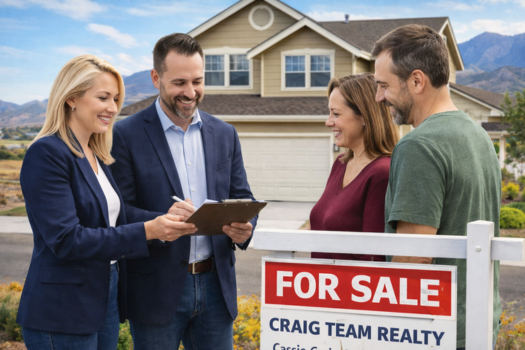
Cassie Craig and Paul Dunham with Craig Team Realty help Fallon homeowners understand real market value and build a pricing plan that supports their goals—without guesswork or hype. This guide breaks down how value is determined and how sellers can price with confidence in Fallon.
What “Home Value” Really Means in Fallon
In simple terms, your home’s value is the price a qualified buyer is willing to pay today, under typical conditions. It’s not always the same as:
- What you paid (the market may have changed)
- What you need (value is based on buyers, not budgets)
- What your neighbor listed for (list price isn’t the same as sold price)
- What an online tool suggests (those are estimates based on limited data)
If you want a reliable answer to how much is my home worth Fallon, you’ll need a clear view of recent sold homes, current competition, and the details that make your property more (or less) appealing to Fallon buyers.
Why Online Estimates Are a Starting Point—Not the Final Price
Many websites use automated valuation models (sometimes called AVMs). These tools can be helpful for a rough range, but they can miss important details that affect pricing in Fallon, Nevada.
Common Reasons Online Values Miss the Mark
- Public records can be outdated or incomplete
- Condition and upgrades are hard to measure with an algorithm
- Unique property features (shops, additions, large lots) may not be valued correctly
- Rural property details aren’t always captured well
- Two “similar” homes on paper can feel very different to buyers in person
Online estimates are not “wrong” on purpose—they’re just limited. For most sellers, the best next step is to compare your home to real, recent sales in Fallon and adjust for what’s truly similar.
The Most Useful Tool for Sellers: Recent Comparable Sales (Comps)
When professionals estimate a likely sale price, they focus heavily on comparable sales—homes that sold recently and are similar in key ways. This is often part of a Comparative Market Analysis (CMA).
What Makes a Strong “Comp” in Fallon?
- Recent: ideally a sale from the last few months when available
- Similar location: same general area of Fallon when possible
- Similar size and layout: square footage and room count matter
- Similar condition: updated vs. original finishes can change buyer interest
- Similar property type: single-family, manufactured, rural, etc.
In Fallon, some properties are easier to compare than others. If your home has features like a large workshop, extra outbuildings, or a unique layout, the comparison work matters even more.
Fallon-Specific Features That Can Change Value
Even within Fallon, Nevada, buyers look closely at practical details. These factors don’t always show up in online estimates, but they often show up in offers.
Property Features Buyers Notice Right Away
- Lot size and usability (not just the number on paper)
- Garage and storage (especially if space is limited in the home)
- Outbuildings and shops (quality, permits where applicable, and condition matter)
- HVAC age and performance (buyers ask about big-ticket systems)
- Roof condition (visible wear can impact inspections and negotiations)
- Floor plan flow (a “weird” layout can reduce demand even if the home is large)
Rural and Semi-Rural Considerations
Many Fallon-area homes come with details that affect buyer confidence and lending, such as private well systems, septic systems, and long driveways or private roads. These features aren’t “bad”—but they can change how buyers compare homes and what they’re willing to pay.
If your property includes features tied to land use (like irrigation or other water-related attributes), it’s important to price based on verified facts and how similar properties have performed—not assumptions. When in doubt, consult the right professionals for property-specific questions.

Pricing Strategy 101: The List Price Is a Marketing Decision
Your list price is not just a number—it’s a strategy. It decides which buyers see your home, how they compare it to others, and whether you get strong early interest.
Strategy A: Pricing at True Market Value
This approach aims to price where the home is most competitive with similar sold homes and current listings in Fallon.
- Often attracts more qualified showings early
- Can reduce the need for big price drops later
- Helps buyers feel the home is “fairly priced” compared to the market
Strategy B: Pricing Slightly Below to Increase Attention
In some market conditions, pricing slightly below a supported range can increase traffic and urgency. This may help when:
- Your home is in excellent showing condition
- Inventory is tight for your home type in Fallon
- You want a faster timeline and strong buyer activity
This strategy should be used carefully. The goal is not to “give the home away,” but to position it where buyers feel excited to act.
Strategy C: Overpricing (Why It Usually Costs Sellers Time)
Overpricing is common—and it’s understandable. Sellers remember upgrades, effort, and emotional value. Buyers, however, compare your home to what else they can buy in Fallon today.
When a home is priced too high, it can:
- Get fewer showings in the first weeks
- Cause buyers to skip it because it “doesn’t fit the value”
- Lead to price reductions that make the listing look stale
- Sometimes result in a lower final sale price than a strong start would have produced
The “First Two Weeks” Matter More Than Most Sellers Think
Early exposure is when your listing is new, fresh, and shared widely. Buyers who are actively watching the Fallon market often see a new listing quickly. If the price doesn’t match the value, those buyers may move on—and it can be hard to regain that momentum later.
A smart pricing plan is designed to capture serious attention early, not “test the market” for months.
Condition, Repairs, and Upgrades: What Actually Helps Value?
Not every improvement adds dollar-for-dollar value, but presentation and condition often protect your price. In Fallon, buyers may pay more confidently when the home feels well cared for.
High-Impact (Usually) Seller Prep Steps
- Fix obvious items that stand out during showings (leaks, broken fixtures, damaged trim)
- Deep clean—especially kitchens, bathrooms, baseboards, and windows
- Declutter to make rooms feel larger and brighter
- Improve curb appeal (simple yard cleanup can help the first impression)
- Gather key home info (roof age, HVAC servicing, permits where available)
If you’re considering major projects before listing, it’s wise to talk with a local expert first. Some improvements help more than others depending on your home type and price range in Fallon, Nevada.
Pricing vs. Appraisal: What Sellers Should Know
A buyer’s lender may require an appraisal. While an appraisal and a CMA both consider comparable sales, they are not the same process. Appraisals follow specific guidelines and can be conservative when comps are limited or when a home has unique features.
Strong pricing strategies often consider the “appraisal reality” too—especially if the likely buyer will use financing.
Practical Checklist: How to Get the Best Answer on Your Fallon Home Value
If your goal is a clear, realistic number—not just a guess—here’s a reliable path:
- Start with recent sold homes that truly match your property type and area in Fallon.
- Review active listings to understand your current competition.
- Adjust for differences like condition, upgrades, lot use, and functional layout.
- Consider timing (buyer activity and inventory levels can shift over the year).
- Create a pricing plan that supports your timeline and comfort level.
FAQ: Sellers in Fallon Often Ask These Questions
“How much is my home worth in Fallon if it has upgrades?”
Upgrades can help, but value depends on what buyers in Fallon are paying for similar updated homes. The quality of the work and how it compares to other homes on the market matters a lot.
“Should I price high to leave room to negotiate?”
Pricing too high can reduce showings and interest. Many buyers filter by price, so a high price may keep your home from being seen by the right audience. A better approach is often to price where the home is clearly competitive and well-supported.
“What if my home is unique and there aren’t many comps in Fallon?”
This happens—especially with rural properties or special features. In those cases, pricing is built by using the closest reasonable comparisons, considering broader patterns, and carefully weighing current buyer demand.
“Do I need a professional valuation to sell?”
You don’t need to order an appraisal just to list, but you do need a pricing plan based on solid local data. A detailed market analysis from a local real estate professional is often the most practical starting point.
Final Thoughts: A Better Way to Answer “How Much Is My Home Worth Fallon?”
The best pricing is backed by real Fallon data, clear comparisons, and a strategy that matches your goals. Online estimates can be useful for a quick look, but they rarely capture the full picture—especially in a market like Fallon, Nevada, where property features and condition can vary widely.
If you want a clear, no-pressure opinion on your home’s current market position, Fallon sellers often start with a deeper review of what has actually sold and what buyers are responding to right now.
If you want a clear, no-pressure opinion on your home’s current market position, Cassie Craig and Paul Dunham with Craig Team Realty are here to help. Call (775) 306-7591 to talk through your home, your timing, and the smartest way to price in Fallon today.
Check out this article next