As a Stagecoach homeowner, have you been asking, “how much is my home worth Stagecoach?” You’re not alone. Sellers across Stagecoach, Nevada want a clear, reliable number before they list. Cassie Craig and Paul Dunham with Craig Team Realty help local sellers price with confidence by blending data, on-the-ground experience, and a step-by-step strategy designed for our rural Nevada market.
Why Stagecoach Pricing Is Different
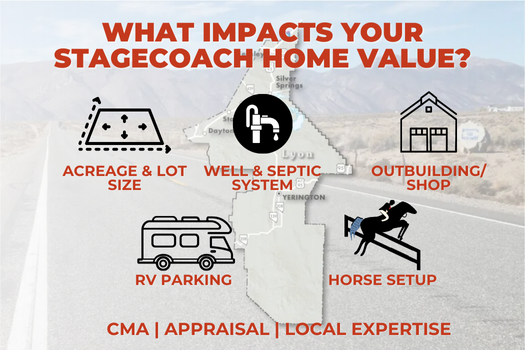
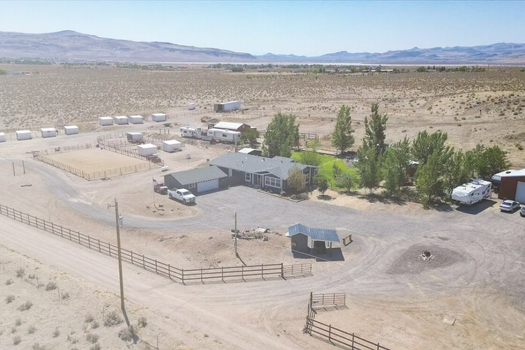
Stagecoach is a rural, unincorporated community in Lyon County along U.S. Route 50. Homes often sit on larger parcels and may include outbuildings, shops, fenced pastures, RV parking, wells, and septic systems. Those features can add value, but they also make “one-size-fits-all” online estimates less reliable. A thoughtful pricing plan should consider:
- Acreage, access, and orientation: Lot size, privacy, views, and drivability to U.S. 50 and nearby services.
- Property type and systems: Site-built vs. manufactured, age of roof, well output, water treatment, septic status, and energy upgrades.
- Functional living: Floor plan flow, bedroom/bath count, storage, and usable outdoor space (corrals, arenas, gardens).
- Local micro-demand: Buyer pools looking specifically for space, shop buildings, or hobby ranch setups common in Stagecoach.
Three Reliable Ways to Estimate Value
1) Comparative Market Analysis (CMA)
A CMA compares your home to recent sold properties nearby that are similar in location, size, condition, and features. Cassie and Paul tailor the CMA to Stagecoach nuances—adjusting for acreage, outbuildings, and systems—then present a pricing range with supporting evidence.
2) Professional Appraisal
For added certainty, some sellers order an independent appraisal methodology. Appraisers physically inspect the home and apply standardized methods. While not required to list, an appraisal can help set expectations—especially for unique properties or homes with extensive improvements.
3) Online Valuation Tools (AVMs)
Automated valuations are convenient and fast, but they can miss upgrades, rural access differences, or the value of shops and land use. Treat AVMs as a rough starting point—then refine with a local CMA.
Building a Pricing Strategy for Stagecoach
Price is a positioning tool. The goal is to attract the right buyers quickly while protecting your bottom line. Here’s the approach Cassie Craig and Paul Dunham use with Stagecoach sellers:
- Property Interview & On-Site Review
Confirm system ages (roof, HVAC, well equipment), septic maintenance history, permits for additions/outbuildings, and recent upgrades. - Micro-Market Analysis
Evaluate recent sales and values and active competition, days on market for similar homes, and showing trends for rural properties. - Pricing Band Recommendation
Set a competitive range (a tight pricing band) that fits current demand and your timing needs. - Launch Plan
Prepare the home (repairs, cleaning, light staging), set showing logistics for acreage/rural access, and choose list timing to maximize visibility. - Feedback & Adjustments
Monitor traffic, showing feedback, online engagement, and nearby new listings. If the data shows a gap, make a small, surgical adjustment rather than large, reactive drops.
Choosing the Right List Price: Four Proven Models
1) True-Market Pricing
List at the well-supported market value from the CMA. This draws the broadest buyer pool and often leads to faster, cleaner offers.
2) Below-Market to Create Competition
List just under the center of the value range to generate strong interest in the first two weeks. This can be effective when inventory is tight and your home shows exceptionally well.
3) Premium Pricing for Unique Features
Homes with shop buildings, solar plus storage, recently replaced major systems, or exceptional acreage usability may justify pricing at the top of the range—if the CMA shows limited competition for those features.
4) Strategic Step-Downs
If showings are light or feedback repeats a theme (e.g., access, layout limitations), a small price correction can re-position the home in search brackets and bring in a new set of buyers.
Stagecoach-Specific Examples
- Five-acre parcel with shop and RV hookups: Buyers value utility and storage—highlight amperage, door heights, and pad access in photos and description. Price near the top of the band if shop quality is high and competition is thin.
- Manufactured home on acreage with updated systems: System upgrades (roof, water heater, HVAC, well pump) reduce buyer uncertainty. Price confidently within the band and showcase maintenance records.
- Horse-friendly setup: Arena size, footing, water access, and trailer turn-around are value drivers. Feature these early in photos and copy; buyers for horse properties are detail-oriented.
What Actually Moves the Number
Buyers in Stagecoach pay more for:
- Newer roofs, modern windows/doors, and energy-efficient equipment
- Permitted outbuildings and quality shop space
- Turn-key usability: clear access, tidy fencing, functional gates, and organized storage
- Clean inspections and ready-to-review service records (well, septic, HVAC)
Pre-List Prep: A High-ROI Checklist
- Repairs first: Fix known issues (leaks, soft flooring, faulty GFCIs). Tackle safety items before cosmetic updates.
- Systems & records: Gather receipts, service logs, well flow tests if available, and septic pump/inspection records.
- Exterior tune-up: Trim, rake, refresh gravel, clean gutters, paint touch-ups, and ensure clear address signage for showings.
- Declutter & stage key spaces: Prioritize entry, kitchen, living room, primary suite, and any shop or barn areas.
- Remove debris, coil hoses, organize panels, and stage shop bays to show scale and utility.
Launch Timing, Showings, and Feedback Loops
In Stagecoach, weekend traffic matters—many out-of-area buyers tour along U.S. 50. A crisp listing launch (great photos, complete details on systems and access, and early availability for showings) can compress days on market. Cassie and Paul collect feedback after the first 10–14 days to confirm pricing strength or recommend minor adjustments.
Negotiating Without Leaving Money on the Table
Price is only one lever. Depending on your goals, you can keep your price stronger by negotiating on:
- Timing: Shorter or longer escrows, rent-back periods.
- Credits vs. repairs: A small credit can be cleaner than multiple trades on acreage properties.
- Included items: Panels, gates, shop benches, or appliances—clarify early to avoid re-trades.
What About Disclosures and Accuracy?
In Nevada, sellers complete a standard property disclosure form. While this article isn’t legal advice, being thorough and organized helps buyers feel confident and keeps your deal on track. Cassie and Paul will walk you through what’s customary to provide in our area and how to prepare documentation on systems and improvements. Refer to the official disclosure forms.
Frequently Asked Questions
How soon will I know my ideal list price?
After an on-site review and CMA, most Stagecoach sellers get a recommended pricing band within a few business days—often faster if records are ready.
Should I get a pre-listing appraisal?
It’s optional. Appraisals provide another data point for unique properties. Many sellers rely on a robust CMA plus strong market prep.
Why not just use the number from an online estimate?
Algorithms don’t see your shop’s amperage, the condition of your well equipment, or the functionality of your corrals. Local adjustments matter in Stagecoach.
Can I “test the market” at a higher list price?
You can—but the first two weeks are when the most serious buyers look. Overpricing early can reduce your leverage and lengthen days on market.
Your Next Step: Get a Precise Value for Your Stagecoach Home
“How much is my home worth Stagecoach?” becomes easy to answer with a local, evidence-based plan. Cassie Craig and Paul Dunham with Craig Team Realty will tour your property, prepare a Stagecoach-specific CMA, and deliver a clear pricing strategy that fits your timing and goals.
Call (775) 306-7591 to schedule your personalized home value review and pricing consultation in Stagecoach, Nevada.
Check out this article next